
You have adjusted the straps, pulled the band down and tucked yourself back into the cups. Ten minutes later, you are doing it again. Before buying another bra in your usual size, it helps to work out which part is causing the problem.
A bra can be the wrong size, the wrong shape for you, worn out or simply unsuitable for what you are doing. This guide helps you tell those situations apart, so your next fitting starts with something more useful than a cup letter.
How should a comfortable bra fit?
- Band: snug and reasonably level around your ribs, staying in place when you lift your arms. You should be able to breathe comfortably.
- Cups: contain the breast tissue without a cutting edge, obvious overflow or persistent empty space.
- Wires, if present: follow the crease beneath your breasts and sit around the tissue, including at the sides, without stabbing or rubbing.
- Centre: on a conventional wired bra, the panel between the cups usually rests against your breastbone comfortably.
- Straps: stay on your shoulders without needing to be pulled painfully tight.
- Movement: the fit remains comfortable when you sit, reach and bend. You should not need to keep putting everything back.
Fit checks: Wacoal and Bravissimo.
The centre check has exceptions. Wireless bras do not have the same rigid separation between the cups, so their centre does not have to touch your breastbone. A low plunge, closely spaced breasts or a different chest shape may also need a different assessment. Never force the centre down or accept pain just to pass a visual test.
What are the different parts of a bra?
Knowing the names makes it easier to explain a problem during a fitting. These drawings show one conventional wired design. A wireless, front fastening or strapless bra will look different.


Cups hold and shape the breast tissue. The band encircles your ribcage. Wings are its side and back panels. The cradle, also called the frame, is the fabric structure beneath and around the cups. Some styles have little or no continuous frame below the cups.
The centre gore is the panel joining the cups at the front. Underwires sit in casings around the cup bases. Straps connect the cups to the back; their adjusters change the working length. Closures fasten the bra. Several hook settings allow the band circumference to change, while a front fastening bra may have only one setting.
Anatomy references: Wacoal and bra maker Norma Loehr in Seamwork.
How does a bra support your breasts?
The band provides a stable foundation around your torso. The cups hold the tissue and connect it to that foundation. In a wired bra, the wires help maintain the cup boundaries and work with the frame and band. Straps steady the cups and share some of the load. Tightening them harder cannot reliably rescue an unstable band.
Cup seams, lining, fabric stretch and internal support panels all affect how the garment holds its shape. A decorative strap across a cup is not automatically a support feature. There is no useful universal percentage that tells you exactly how much support every band or strap provides.

Wired or wireless: which is better?
Either can suit you. A wired bra uses shaped wires; a wireless bra relies on its fabric structure, shaped cups, seams, supportive panels and band. A structured wireless bra can feel very different from a soft bralette. Choose by fit, comfort and the support you need, rather than assuming all wireless bras are weak or all wired bras are uncomfortable. Wireless construction explained.
Is it a fit problem, a quality problem or the wrong bra for the day?
An expensive bra can fit badly. An affordable bra can fit well. Check four separate things before deciding what needs changing.
Fit
What it means: The size or shape does not work on your body, even if the bra is new and intact.
Useful next step: Compare sizes and cuts.
Construction
What it means: Rough finishing, insecure stitching or hardware that will not hold can be a problem from the start.
Useful next step: Inspect the garment and discuss faults with the seller.
Condition
What it means: Elastic no longer recovers, seams have opened, cups are distorted or a wire is damaged.
Useful next step: Retire damaged pieces and reassess the fit of replacements.
Intended use
What it means: A comfortable everyday bra may not control movement during running or jumping.
Useful next step: Try a sports bra appropriate to the activity.
Sports bras may compress tissue towards the chest, support each breast in a separate cup, or combine both approaches. Test the actual garment while moving. Research on 98 sports bras found that advertised support levels did not consistently match measured performance. A label alone cannot tell you how a bra will work for you. Sports bra types; Norris and colleagues, 2020.
Why does my bra ride up, gape or dig in?
One symptom can have several causes. Start by settling the bra into position and adjusting the straps. Then change one thing at a time so you can tell what helped.


Band rides up
Possible causes: Band too loose, stretched elastic or straps pulling too hard.
What to try: Ease overtightened straps. Recheck band security. Try a firmer band if needed, adjusting cup size with it.
Spillage over the top or sides
Possible causes: Too little cup capacity, a cutting neckline or insufficient coverage for your shape.
What to try: Settle tissue into the cups. Compare a larger cup on the same band or a more accommodating cup edge.
Cups gape or wrinkle
Possible causes: Too much cup space, a cup too tall or differently shaped, loose straps or an unstable band.
What to try: Check placement and adjustment first. Try a different cup shape. Reduce cup size only if it is genuinely too roomy.
Straps slip
Possible causes: Loose adjustment, stretched straps, a loose band or straps set too widely for your shoulders.
What to try: Adjust and check the band. Compare a design with straps closer together or a suitable racerback option.
Straps dig
Possible causes: Excessive tension or a band and cup combination that leaves too much load at the shoulders.
What to try: Loosen the straps and reassess the whole fit. Wider straps may feel better, but do not fix a poor band fit.
Wire pokes
Possible causes: Wrong wire width or height, unsuitable cup depth, displaced cups, or a bent or exposed wire.
What to try: Stop wearing an exposed or broken wire. For an intact bra, compare cup shape and size or try wireless.
Breasts slip beneath the cups
Possible causes: The band lifts away, elastic has relaxed, or cup fit and strap tension pull the bra out of position.
What to try: Check that the band stays below the breasts when you raise your arms. Reassess both cup capacity and band security.
Wired centre lifts away
Possible causes: Insufficient cup room, an unsuitable gore shape or width, or an unstable band.
What to try: Compare cup capacity and a different centre design. Do not force a tall gore onto closely spaced tissue.
Troubleshooting evidence: riding band, spillage, gaping, slipping straps and wire discomfort. These are fitting possibilities, not guaranteed diagnoses.
Are marks always a sign of a bad fit?
A light temporary imprint from a fitted garment is different from painful rubbing, deep soreness or broken skin. Pay attention to how your skin feels and whether irritation persists. You do not need to tolerate injury to get support. Pressure marks explained.
How can I check the fit at home or in the fitting room?
- Inspect it first. Check the elastic, seams, wires and fastening before adjusting anything.
- Fasten comfortably. On many new bras, the loosest setting leaves room to tighten as elastic relaxes. Follow the brand’s guidance and your comfort; some recommend the middle setting.
- Settle the cups. Lean slightly forward and gently guide breast tissue from the sides into each cup. Place the cup base at the crease beneath your breast.
- Adjust each strap. Aim for security without shoulder pressure. The two sides may need slightly different lengths.
- Look from three angles. Check front, side and back using the checklist above.
- Move and wear your top. Sit, reach and bend, then check the shape under your clothes. For a sports bra, try movements relevant to your exercise.
If changing one size solves one problem but creates another, try another design. Fitting is a comparison, not a test your body has to pass. Hook adjustment; Wacoal’s alternative hook guidance.
Why does a measurement give a starting size?
A tape captures circumference. It does not fully describe breast depth, width, spacing, firmness or how a particular fabric stretches. Use a soft tape and follow the calculator’s instructions for snug underbust and fullest bust measurements, keeping it level and avoiding painful compression. Then try the suggested size and assess the garment.
Csiri’s size calculator accepts measurements or a size from an existing label. Its result is a starting point. When entering a label, choose the sizing system deliberately; the number alone can be ambiguous.
A cup letter is not a fixed breast volume
Within the same sizing system and comparable style, a 36C cup is larger than a 32C cup. The letter must be read with the band number.
Sister sizes change the band while keeping approximately similar cup capacity. In UK sizing, 32DD, 34D and 36C are a useful example. Going down one band step means going up one cup step; going up one band step means going down one cup step. They will not feel identical because the band, wire position and proportions change. Do not keep increasing the band simply to obtain cup space. Sister sizing reference.
Check whether the label is UK, US, EU or French
For example, UK 34D is commonly labelled EU 75D or French 90D. Cup sequences diverge as sizes increase, and US brands do not all use identical lettering. Check the specific brand chart. There is no reliable rule that every Chinese made bra requires an extra cup letter. If an imported bra feels small, reassess its actual size and shape. International sizing guidance.
What should I try for my bust size and shape?
Smaller busts
You may want coverage, shaping, support for movement or simply a comfortable layer. Padding is a choice. If a tall moulded cup stays empty at the top, compare a lower cup edge or a softer cup that follows your shape before assuming you need a smaller size.
Fuller busts
Look for enough cup depth and secure band fit. Compare structured cups, supportive lining and comfortable strap width. A fuller bust does not automatically require a large band. Wireless designs also vary in structure, so assess the actual bra.
Smaller frames and narrow shoulders
Start with a band that fits your ribs. Then check cup height, wire height and strap spacing. A design can have enough cup capacity yet still feel too tall under the arms or too wide across your shoulders. Strap placement matters.
Different fullness or unequal sides
Shallow means tissue is spread over a wider area with less forward depth; projected means more depth away from the chest. These describe shape, not size. Compare cup depth as well as the label. With unequal sides, fit the fuller breast without compression and consider a flexible cup edge or removable insert on the smaller side. New or unexplained changes still deserve medical attention. Wacoal’s shape guidance.
Two Csiri examples to compare


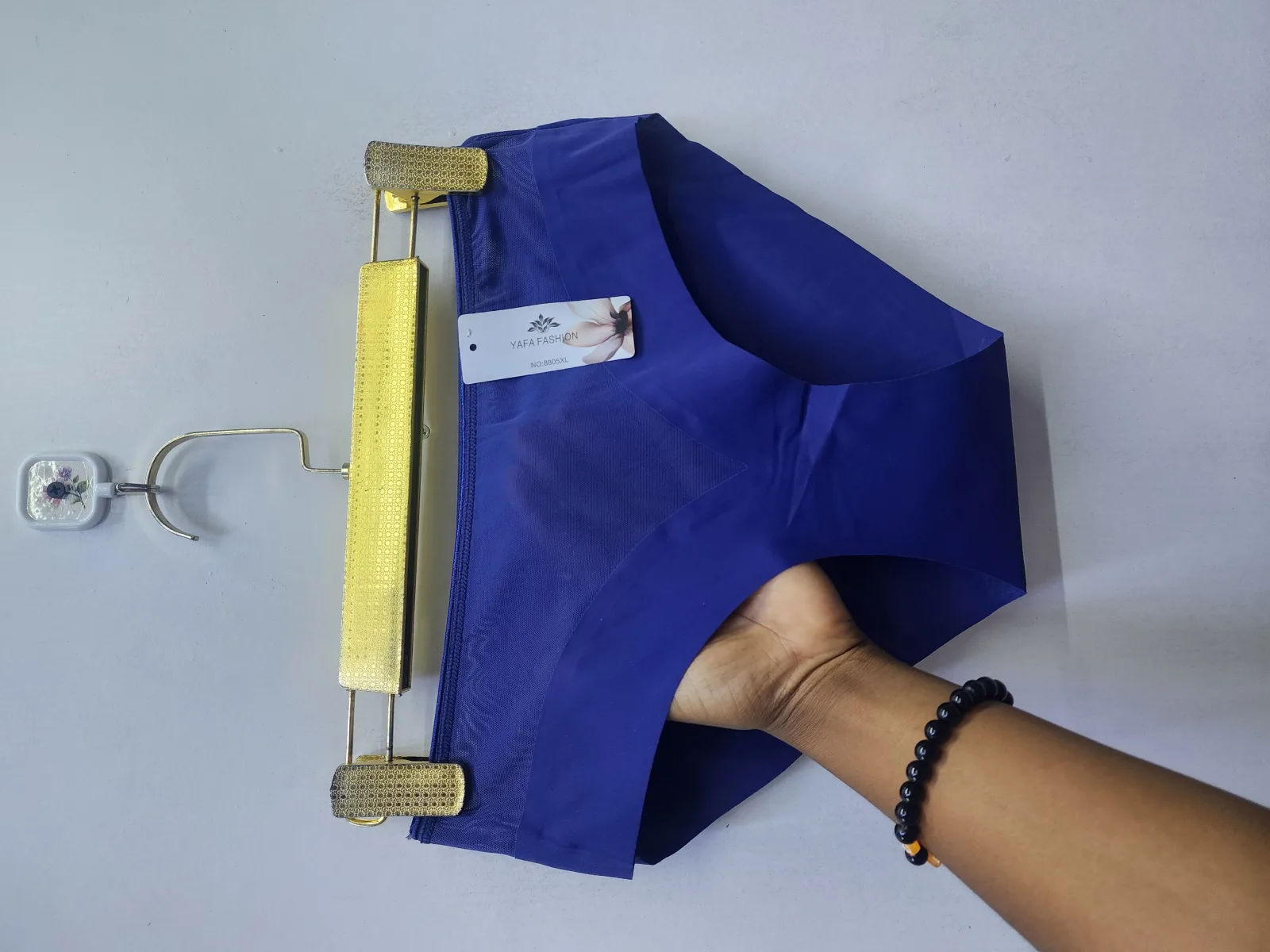
These are design examples, not demonstrations of correct fit on a person. The product names alone do not give a complete band and cup recommendation. Ask us to confirm your size and current options.
When should I reassess fit or replace a bra?
Recheck when your usual bra feels different, after a change in breast size or weight, during pregnancy or breastfeeding, or when hormonal changes affect comfort. There is no single replacement deadline that suits every bra and wearing routine.
Look for elastic that stays stretched, a band that slides even at a suitable tighter setting, straps that will not hold their adjustment, failing seams, distorted cups or damaged hardware. Stop using a bra with an exposed or broken wire. Follow its care label and avoid crushing shaped cups. A garment that is sound but no longer fits may simply be wrong for your current needs. Breast Cancer Now: changes, care and replacement.
When to get medical advice. Arrange a medical assessment for persistent breast pain or a new lump, nipple change, discharge, skin dimpling or unexplained change in breast shape. A hot, red or swollen breast, particularly with fever or feeling unwell, needs prompt attention. A bra fitting cannot diagnose the cause. NHS breast pain guidance.
Questions we hear about bra fitting
Does gaping always mean the cup is too big?
No. Cup height, shape, band stability and adjustment can also leave empty space. Check the whole fit before reducing the cup.
Should every centre gore sit flat?
No. This is mainly a check for conventional wired bras. Wireless construction and some body or bra shapes need a different assessment.
Can I wear different sizes in different bras?
Yes. Brand sizing, materials and construction vary. Keep a note of the brand, style and full size of bras that work for you.
Will a better bra stop sagging or cure pain?
Those are not promises a fitting can make. Focus on comfortable support for the activity you are doing. Persistent pain needs assessment.
Do I need to know my size before visiting Csiri?
No. Bring your fit question. It can be as simple as “the cups gape” or “I keep pulling the band down.”
Need bra fitting help in Nairobi?
Visit Csiri Intimates, Corner House, Kimathi Street, 13th Floor, Shop 1310, Nairobi for free bra fitting. Tell us what your current bra does, what you want to wear over it and what support feels comfortable to you.
Ask Csiri on WhatsApp, use our size calculator or browse bras. We offer nationwide delivery. Ask us about the size and design you need before ordering.
Tell us your size, outfit or problem. We will help you choose.
Sources and image credits
Research checked 6 October 2026. Practical fitting guidance is not a medical diagnosis. Sources are linked beside the relevant explanations.
- Breast Cancer Now: Your guide to a well fitting bra.
- Bravissimo: Bra fitting guide, sister sizes and international sizing.
- Wacoal: Bra anatomy, 5 Points of Fit and bra care.
- Norma Loehr, Seamwork: Anatomy of a Bra. Used for garment construction, not its blanket claims about wireless support.
- Brastop and Honeylove: Wireless construction and specific fit problems.
- University of Portsmouth: Nichola Renwick’s sports bra guidance; Norris and colleagues’ sports bra research, 2020.
- NHS: Breast pain and when to seek medical advice.
Original diagrams prepared for Csiri Intimates. Product photographs: Csiri Intimates website, products 29 and 11, downloaded for this authorised Csiri draft. No competitor images reproduced.
Comments
No comments yet. Be the first to comment.